Furnace Tune-Up in Monitor, WA

Scroll down to discover more
Furnace tune-up in Monitor, WA delivers safe operation, peak efficiency, and longer equipment life by combining thorough inspection, cleaning, filter checks, safety tests, ignition and airflow adjustments, and a detailed performance report. Most complete tune-ups take 60-90 minutes for standard single-stage systems, with longer times for multi-zone or heavily soiled units. Annual maintenance helps prevent breakdowns, preserve warranties, and keep your home comfortable and safe through cold winters, even amid orchard dust and wildfire smoke common in Monitor, WA.
Furnace Tune-Up in Monitor, WA
Keeping your furnace running reliably through Monitor, WA winters means more than flipping a thermostat when the temperature drops. A professional furnace tune-up ensures safe operation, peak efficiency, and longer equipment life — and it addresses local challenges like cold snaps, low-humidity heating demands, orchard dust, and seasonal wildfire smoke that affect indoor air and system performance.
What a furnace tune-up includes
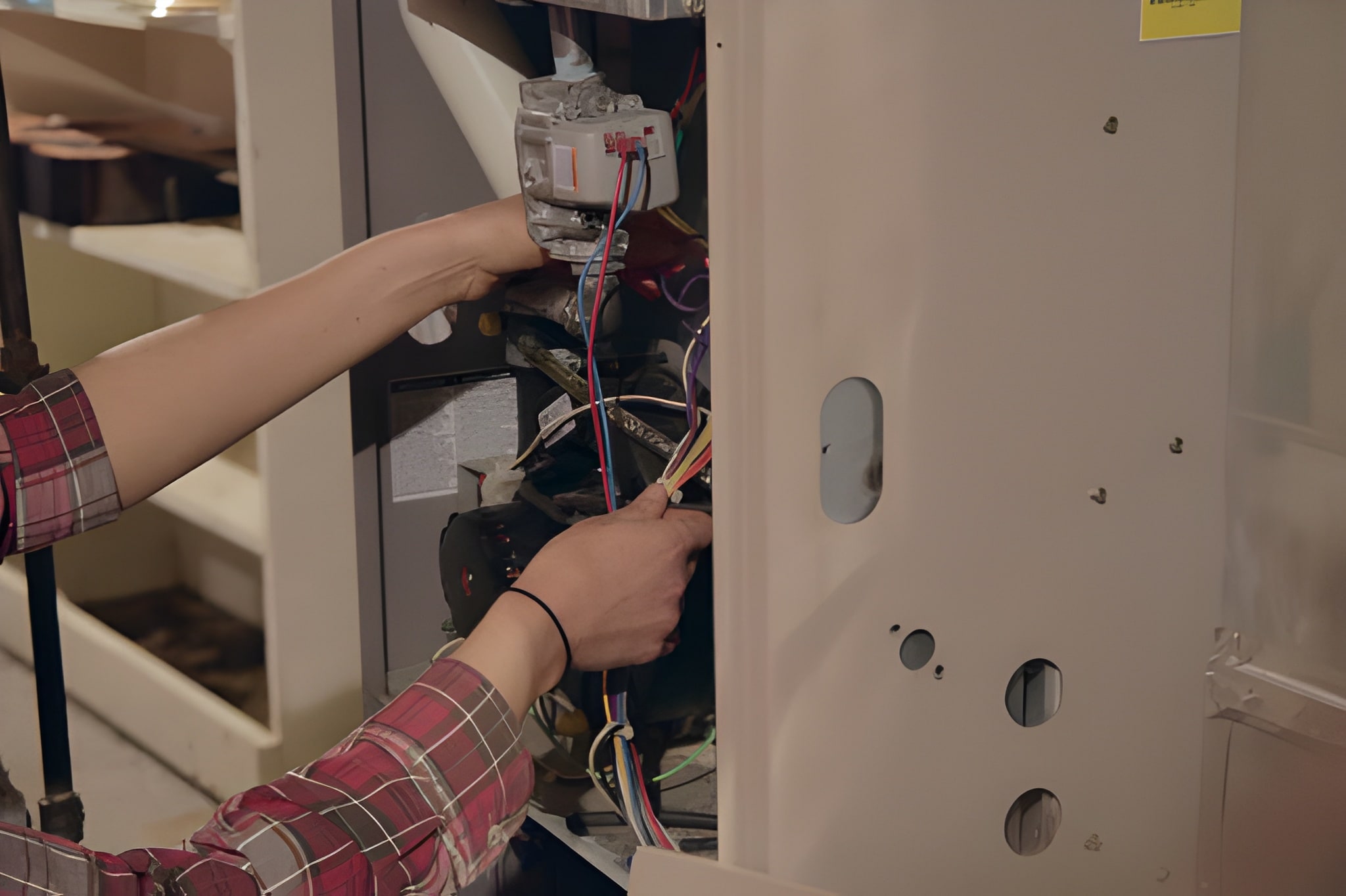
A thorough furnace tune-up is both inspection and preventative service. Typical elements covered during a professional tune-up:
- Visual inspection and cleaning
- Inspect burners, heat exchanger, flame sensor, and pilot/ignition components for corrosion, soot, or debris.
- Clean accessible surfaces, remove dust and buildup that restrict combustion or airflow.
- Filter check and replacement
- Verify filter type and condition. Replace disposable or recommend a schedule for higher-efficiency filters.
- For homes in Monitor with seasonal pollen, orchard dust, or wildfire smoke, filter changes are especially important.
- Safety and carbon monoxide checks
- Test combustion safety, measure for abnormal flue operation, and check for indications of carbon monoxide risk.
- Confirm proper venting and sealed connections to protect occupants from hazardous gases.
- Ignition and burner adjustments
- Adjust ignition timing and inspect burner flame for proper color and stability.
- Correct burner alignment and gas pressure issues that cause inefficient combustion or starting problems.
- Airflow and efficiency optimization
- Inspect blower motor, belts, and fan assembly; clean blower wheel if needed.
- Check ductwork access points for loose connections and recommend basic sealing if leaks are observed.
- Controls and electrical
- Test the thermostat, limit switches, capacitors, and safety controls.
- Tighten electrical connections and test system start/stop cycles to identify intermittent faults.
- System performance report
- Provide a documented list of findings, any recommended repairs or part replacements, and suggested maintenance intervals.
Common furnace tune-up issues in Monitor, WA
Homes in and around Monitor commonly present the following problems that tune-ups address:
- Reduced airflow from clogged filters or dusty returns after spring orchard activity
- Short cycling caused by thermostat or blower issues when temperatures swing rapidly
- Hard starts or intermittent ignition, especially in older furnaces
- Sooty burners or inefficient combustion from lack of routine cleaning
- Increased utility use in winter due to poor combustion or duct leakage
- Indoor air quality concerns after wildfire smoke events that overload filters
Diagnostic process and expected duration
A professional tune-up follows a predictable flow to diagnose and optimize your system:
- Initial walkthrough to confirm symptoms and note system history.
- Visual and functional inspection of all major components.
- Cleaning of burners, blower, and accessible heat-exchange surfaces.
- Safety testing including carbon monoxide and venting checks.
- Performance tuning: adjustments to ignition, airflow balancing, and control calibration.
- Final test run and documentation of findings and recommendations.
Most complete furnace tune-ups take about 60 to 90 minutes for standard single-stage systems. Complex or older systems, multi-zone installations, or servicing systems with extensive cleaning needs may require more time.
Recommended service frequency
- Annual tune-up before the heating season is the standard recommendation for most Monitor homes. This helps catch issues prior to prolonged winter use.
- Semi-annual or seasonal checks may be advisable for older units, homes with heavy indoor air-loads (pets, woodstoves), or properties exposed to orchard dust and seasonal smoke.
- Regular filter replacement intervals depend on filter type and local conditions. Homes affected by pollen, dust, or smoke may need filter changes every 1 to 3 months during peak seasons.
Benefits for longevity, safety, and efficiency
A proper furnace tune-up delivers measurable benefits:
- Improved reliability and fewer emergency repairs by catching wear and faults early.
- Longer equipment life through reduced stress on components and optimized operation.
- Better energy efficiency which lowers heating costs when the system operates as intended.
- Enhanced safety via carbon monoxide verification and correct venting, particularly crucial in colder months when furnaces run continuously.
- Improved indoor air quality when filters and duct access are addressed, especially valuable after wildfire smoke events in Chelan County.
- Warranty compliance for many manufacturers that require documented annual maintenance.
What to expect when arranging maintenance
When planning a furnace tune-up in Monitor, WA, homeowners commonly experience the following logistics:
- Appointments are best scheduled before the main heating season, typically in late summer or early fall, to avoid peak demand and ensure readiness for the first cold spell.
- Prepare a clear access path to the furnace, remove any stored items near the unit, and secure pets.
- Have model and age information available if possible; this helps the technician prepare parts or tools for older or specialty systems.
- Expect a written service report listing observations, tests performed, recommended repairs, and maintenance tips for the coming year.
- If your home uses a programmable thermostat, have settings handy so the technician can confirm proper operation and recommend time/temperature settings for efficiency.