Furnace Tune-Up in Palisades, WA

Scroll down to discover more
Furnace Tune-Up in Palisades, WA
A seasonal furnace tune-up is the most reliable way to keep your home warm, efficient, and safe through Palisades winters. With colder nights, occasional freeze-thaw cycles, and regional concerns like spring dust and summer wildfire smoke that can leave fine particles in ductwork and filters, regular maintenance protects comfort and prevents unexpected breakdowns when you need heat most.
Why a Furnace Tune-Up Matters in Palisades
Palisades homes often face:
- Longer run times during cold snaps, increasing wear
- Dust and pollen from dry periods that clog filters and burners
- Periodic smoke or ash intrusion in wildfire season that accelerates soiling of components
A proper tune-up addresses these local stressors to restore efficiency, reduce operating costs, and lower safety risks from malfunctioning controls or blocked vents.
Common Furnace Problems in Palisades Homes
Homes in this area commonly report:
- Reduced heat output despite thermostats calling for heat
- Short cycling or frequent on/off operation
- Noisy operation or vibrating panels after long idle periods
- Sooty burners, yellowing pilot lights, or unusual odors following periods of heavy dust or smoke
- Thermostat that no longer holds accurate temperature, causing comfort complaints
A professional tune-up targets the root causes of these symptoms so they are corrected before major failures occur.
What a Professional Furnace Tune-Up Includes
During a comprehensive tune-up technicians perform a sequence of diagnostic and maintenance tasks to ensure safe, efficient operation. Core tasks typically include:
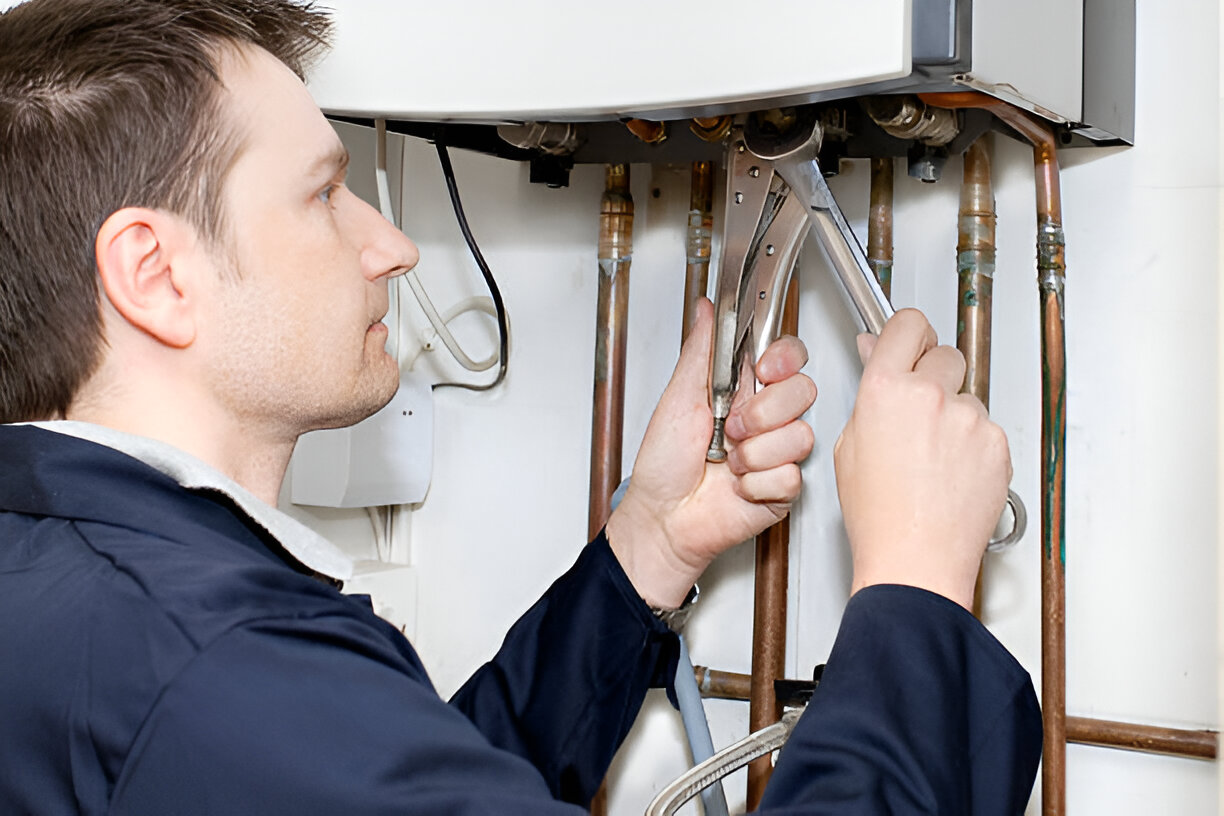
- Cleaning burners and coils: Removing soot, dust, and buildup so combustion and heat transfer are efficient.
- Checking and adjusting flame: Verifying flame color, shape, and strength to ensure proper combustion and reduce carbon monoxide risk.
- Testing safety controls: Confirming limit switches, pressure switches, and flame sensors operate correctly to protect the home and occupants.
- Lubricating moving parts: Oiling motors, bearings, and fans to reduce friction, noise, and premature wear.
- Calibrating thermostat: Ensuring the thermostat accurately reflects indoor temperature and communicates properly with the furnace.
- Inspecting flue and vents: Checking for obstructions, corrosion, or leaks that can impede exhaust and create safety hazards.
Technicians also visually inspect the heat exchanger for cracks or corrosion, check gas connections for leaks, verify electrical connections and breakers, and measure system performance metrics when equipment allows.
Diagnostic Process — What to Expect During the Visit
A tune-up follows a methodical diagnostic process:
- Pre-inspection walkaround to note visible issues and obstructions near the furnace and vents.
- Operational start-up to observe ignition, flame behavior, blower operation, and control responses.
- Component-level inspection and cleaning (as listed above) with measurement of key parameters when possible (static pressure, temperature rise).
- Final performance check to confirm adjustments and repairs restored correct operation.
- Documentation of findings and recommended repairs or parts replacements, with an explanation of the priority and impact of each item.
Typical on-site time is about 60 to 90 minutes for a single-family furnace, though older or more complex systems may require additional time.
Expected Outcomes After a Tune-Up
A properly executed tune-up delivers measurable and practical benefits:
- Improved efficiency: Clean burners and properly adjusted controls reduce fuel consumption and lower monthly heating costs.
- Greater reliability: Worn parts are lubricated and checked, reducing the chance of mid-season breakdowns.
- Enhanced safety: Functioning safety switches, correct flame characteristics, and clear flues reduce the risk of carbon monoxide and combustion hazards.
- Better comfort: Calibrated controls and clean components deliver steadier, more consistent heat.
- Longer equipment life: Routine maintenance extends service life by reducing stress on key components.
For Palisades homes that experience heavy dust or smoke seasons, the difference in indoor air quality and system longevity can be significant after a thorough tune-up.
Recommended Tune-Up Frequency
For most residential furnaces in Palisades:
- Annual tune-up in the fall (pre-heating season) is recommended as the baseline.
- Semiannual visits can be appropriate for older systems (15+ years), homes with heavy dust or pet hair, or properties affected by wildfire smoke that leaves ash in ducts and burners.
- Filter replacement is separate from the tune-up: inspect or replace disposable filters every 1 to 3 months depending on use and indoor air conditions; washable filters should be cleaned on a similar schedule.
Seasonal scheduling before the first cold snap ensures the system runs optimally during peak demand months.
Typical Repair and Solution Options Identified During Tune-Up
When a tune-up uncovers issues, common solutions include:
- Replacing worn belts or bearings to eliminate noise and restore blower efficiency
- Cleaning or replacing a heavily soiled air filter to improve airflow
- Adjusting or replacing malfunctioning safety sensors and limit switches
- Repairing minor flue or vent issues such as loose connections or animal nests
- Replacing ignition components or flame sensors to restore reliable starts
Each recommended repair is typically prioritized for safety and operational impact, with an explanation of how the repair will affect efficiency and reliability.
Preparing for a Seasonal Visit and Scheduling Notes
Seasonal visits are usually scheduled through the maintenance appointment system used for routine HVAC service windows. Typical scheduling steps include selecting a preferred seasonal window, confirming access to the furnace area, and noting any specific symptoms for the technician to investigate. Prior to arrival, clearing the furnace area and ensuring vents and returns are unobstructed expedites the visit.
After the tune-up, homeowners receive a summary of work performed, identified issues, and suggestions for follow-up maintenance (filter schedules, carbon monoxide detector checks, or future service intervals). For homes in Palisades with documented dust or smoke concerns, a plan for more frequent checks or inclusion in a maintenance program is often recommended to sustain performance through high-exposure periods.