Make the Right Call: Furnace Repair vs. Replacement
Make informed decisions about furnace repair or replacement. Understand furnace lifespan and get tips for a cost-effective solution for your home.

Scroll down to discover more
.jpg)
Repair or Replace Your Furnace: A Clear Guide to Signs, and Efficiency for a Comfortable Home
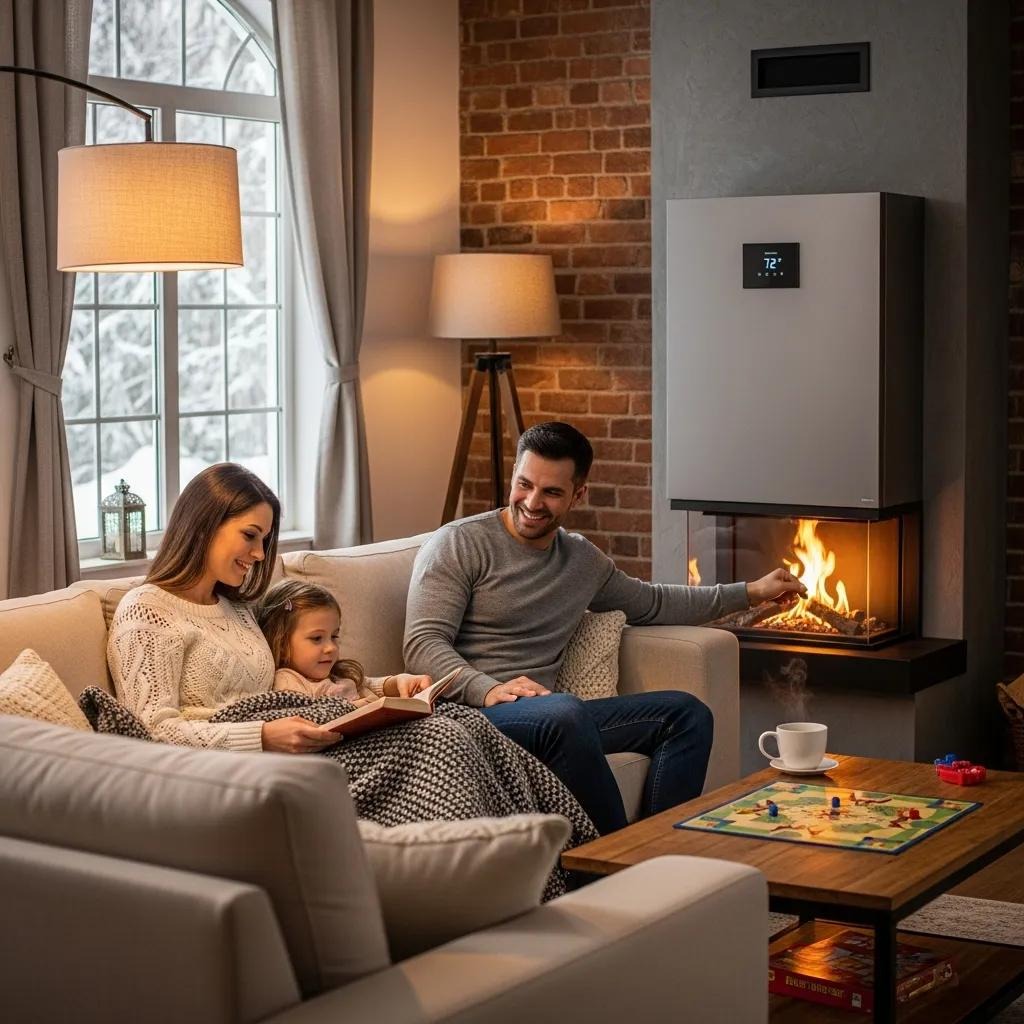
The decision to repair or replace your home's furnace is a significant one, impacting not only your immediate budget but also your long-term comfort, energy bills, and peace of mind. It doesn't have to be a source of stress or confusion. By understanding the critical indicators, the true costs involved, and the profound impact of efficiency on your household expenses, you can approach this choice with confidence. This comprehensive guide is designed to empower homeowners like you, walking you through the practical factors that demand your attention—from the subtle yet crucial warning signs of a failing system to detailed cost comparisons and the undeniable advantages of investing in newer, energy-efficient models. We'll help you discern when a simple repair offers a viable solution, when a complete replacement becomes the more sensible and economical path, and why securing a professional inspection is almost always the most intelligent first step towards a warmer, more efficient home.
When to Replace Your Furnace: Unmistakable Signs to Watch For
Proactively identifying problems that warrant a furnace replacement can save you from unexpected breakdowns, escalating repair costs, and prolonged periods of discomfort. Beyond mere inconvenience, these signs often point to deeper inefficiencies or potential safety hazards within your heating system. Pay close attention to recurring issues such as frequent breakdowns, a noticeable and persistent rise in your energy bills, or the frustrating experience of certain rooms never quite reaching a comfortable temperature. These aren't just minor annoyances; they are usually clear indicators that your furnace is struggling to perform its fundamental duty. When these clues begin to surface, it's a strong signal that it's time to seriously evaluate the cumulative cost of ongoing repairs against the long-term benefits and reliability offered by a new, modern heating system.
What Are the Common Signs Your Furnace Needs Replacing?
- Increased Energy Bills: A sudden or gradual but significant jump in your monthly heating costs is perhaps one of the most direct and painful indicators that your furnace is losing its battle against inefficiency. Older units, burdened by years of wear and tear, often have to work much harder and consume considerably more fuel—whether natural gas, oil, or electricity—to produce the same amount of heat they once did. This struggle directly translates into higher utility bills, essentially costing you money every single day your outdated system operates. It's not just about comfort; it's about your wallet.
- Frequent Repairs: If you find yourself on a first-name basis with your HVAC technician, calling for service more than once a year, your furnace is likely signaling its impending retirement. While minor, isolated repairs are part of owning any appliance, a pattern of recurring issues—especially those involving major components—suggests that your system is nearing the end of its useful life. These "band-aid" fixes can quickly accumulate, with repair bills adding up to a substantial sum that could be better invested in a new, reliable unit. Don't let a cycle of costly repairs drain your budget without a long-term solution.
- Uneven Heating: The experience of some rooms being toasty warm while others remain stubbornly cold is a clear sign that your furnace is failing to distribute heat effectively throughout your home. This isn't just an issue of comfort; it can indicate serious underlying problems such as worn-out components, a struggling blower motor, or significant issues with your ductwork and airflow. An inefficiently heated home means your furnace is constantly overworking in an attempt to compensate, leading to higher energy consumption and persistent discomfort.
- Strange Noises or Odors: Beyond the typical operational hum, listen for unusual sounds like grinding, squealing, banging, or rattling. These often point to mechanical failures within the blower motor, bearings, or other critical components. Similarly, don't ignore persistent strange odors. A burning smell could indicate electrical issues, while a persistent dusty or musty smell might suggest mold or mildew in the system. A strong smell of rotten eggs, however, is a critical sign of a gas leak and requires immediate professional attention.
- Yellow Pilot Light: For furnaces with a pilot light, its color is a crucial indicator of safe operation. A healthy pilot light should burn with a strong, steady blue flame. If you observe a yellow or flickering flame, it could signal incomplete combustion, potentially leading to the production of dangerous carbon monoxide. This is a serious safety concern that demands immediate professional assessment.
Keeping a vigilant eye on these issues is paramount to avoiding the surprise and inconvenience of a major system failure. When these warning signs begin to manifest, it's not just a suggestion but a strong recommendation to schedule a professional check-up. An expert can accurately diagnose the root cause, provide a clear assessment of your system's health, and help you explore the most cost-effective and beneficial options for your home and family.
How Does Furnace Age Affect Performance and Replacement Timing?
The age of your furnace is arguably one of the most significant factors influencing its overall performance, efficiency, and reliability. Most modern furnace units are engineered to provide dependable heating for approximately 15 to 20 years. However, this lifespan is heavily dependent on several variables, including the quality of the original installation, the frequency and thoroughness of regular maintenance, and the intensity of its usage throughout its operational life. As furnaces approach and surpass the 15-year mark, a natural decline in efficiency is almost inevitable.
This degradation means they consume more fuel to produce the same amount of heat, directly translating to higher energy bills. Furthermore, older systems are more prone to mechanical failures, leading to increased repair frequency and costs. Crucially, aging furnaces can also develop safety concerns, such as cracked heat exchangers that can leak carbon monoxide, posing a serious risk to your household. If your heating system is nearing or has exceeded 15 years of service and is simultaneously exhibiting any of the aforementioned signs of trouble, replacement often emerges as the safer, more economical, and ultimately more comfortable choice for your home and family.
How Do Furnace Repair Costs Compare to Replacement Expenses?
Making an informed decision about your furnace requires a clear-eyed look at the financial implications. While the immediate cost of a repair might seem appealing, it's essential to consider the long-term value and potential savings offered by a new system. Repair prices can fluctuate dramatically based on the specific problem, the cost of parts, and labor rates, often providing only a temporary fix. In contrast, a full replacement encompasses the cost of a brand-new, often more efficient unit, along with professional installation, offering a fresh start and years of reliable performance. By carefully comparing the likely repair bills you might face against the comprehensive cost of a new furnace, you can confidently identify the most cost-effective and beneficial path for your home's heating needs, ensuring both comfort and financial prudence.
What Is the '50 Percent Rule' in Repair vs. Replacement Decisions?
To simplify the complex financial calculus of furnace decisions, many HVAC professionals and savvy homeowners rely on the practical "50 percent rule." This straightforward guideline suggests that if the estimated cost of a repair—especially a significant one—exceeds more than half the price of investing in a brand-new furnace, then opting for a full replacement is typically the smarter financial move. This rule isn't just about immediate savings; it's about avoiding throwing good money after bad. When a repair approaches 50% of a new unit's cost, you're often paying a substantial sum for a system that still has limited remaining lifespan, diminishing efficiency, and a higher likelihood of future breakdowns.
By combining this rule with a realistic assessment of your furnace’s current age and its expected remaining operational life, you gain a powerful framework to make the most financially sound and future-proof decision for your specific situation, ensuring you invest wisely in your home's comfort system.
What Are the Benefits of Upgrading to a New, Energy-Efficient Furnace?
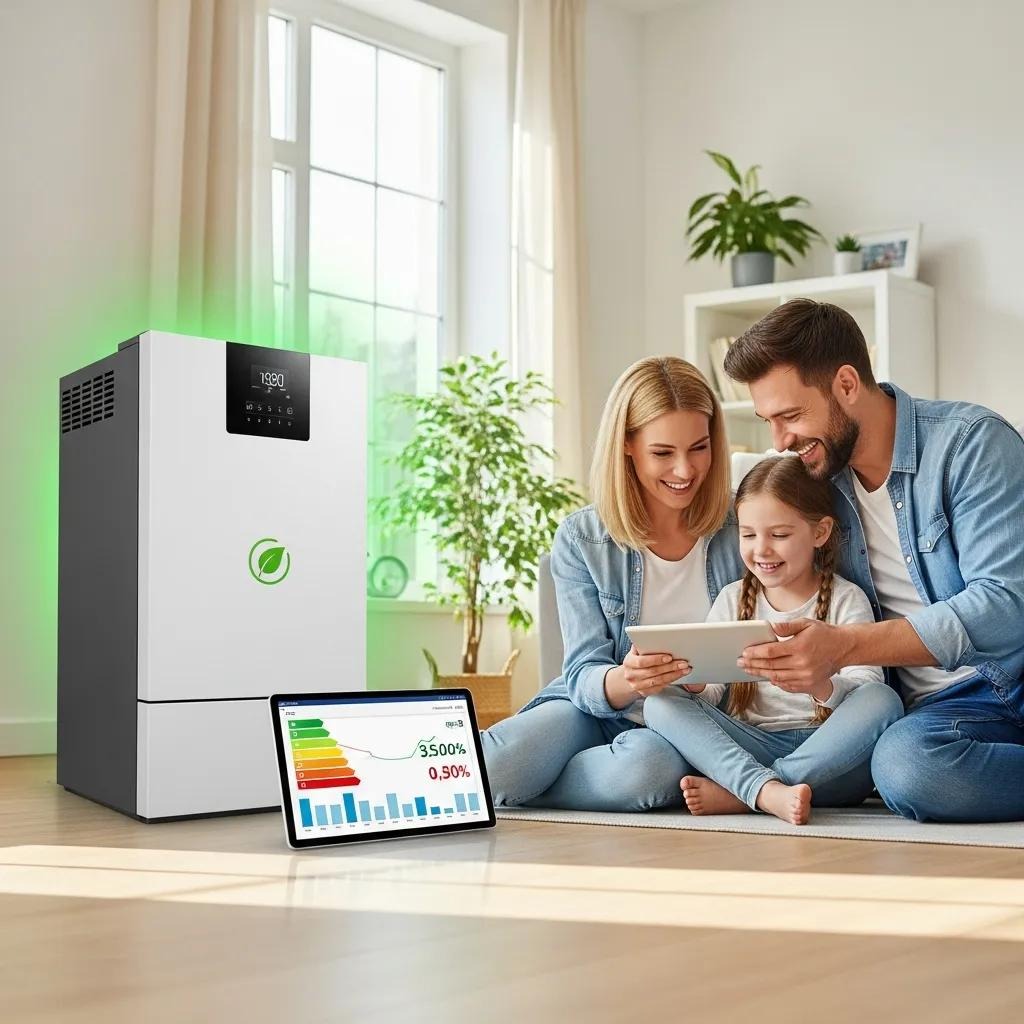
Upgrading to a new, energy-efficient furnace is far more than just replacing an old appliance; it's an investment in your home's future comfort, your family's well-being, and your financial health. Modern heating systems are engineered with cutting-edge technology designed to maximize heat output while minimizing fuel consumption. This means your home will not only feel more consistently comfortable, but you'll also see a tangible reduction in your monthly energy expenditures. Today’s models leverage advanced features and superior design to heat your living spaces more effectively and with significantly less wasted fuel, translating into a warmer home and a healthier bank account. Beyond the immediate savings, a new furnace often comes with enhanced safety features, quieter operation, and improved indoor air quality, making it a comprehensive upgrade to your entire home environment.
How Can a New Furnace Improve Energy Efficiency and Lower Bills?
The core advantage of new furnaces lies in their dramatically improved energy efficiency, which directly translates into substantial savings on your utility bills. This enhanced efficiency is achieved through a combination of superior components, more precise controls, and innovative design. When evaluating new furnaces, a key metric to look for is the AFUE (Annual Fuel Utilization Efficiency) rating. This percentage indicates how much of the fuel consumed by the furnace is converted into usable heat for your home, with the remainder being lost through the chimney or exhaust. While older furnaces often had AFUE ratings below 80%, modern, high-efficiency units commonly boast ratings ranging from 80% to an impressive 98.5% AFUE. This means that a furnace with a 95% AFUE rating converts 95 cents of every dollar spent on fuel into heat, with only 5 cents lost.
Over time, this higher efficiency translates into noticeable and significant savings compared to older, less efficient furnaces. Furthermore, many new models incorporate features like variable-speed blowers, which can run at lower speeds for longer periods, providing more consistent temperatures and further reducing energy consumption, and modulating burners that can adjust heat output to precisely match your home's needs, avoiding wasteful on/off cycling. These technological advancements ensure that you get more heat for less money, year after year.
What Rebates and Financing Options Are Available for Furnace Replacement?
The initial cost of a new furnace can be a significant consideration, but it's important to remember that numerous incentives are often available to make upgrading more affordable and accessible. These programs are designed to encourage homeowners to invest in energy-efficient solutions, benefiting both your budget and the environment. Local, state, and federal programs frequently offer a variety of financial aids, including direct rebates, valuable tax credits, or attractive low-interest financing options.
These incentives can significantly reduce your out-of-pocket expenses, making the transition to a modern, efficient heating system much more manageable. It's highly recommended to actively check with your local utility providers, government energy efficiency programs, and even manufacturer promotions, as these sources often provide substantial savings. To help you navigate these opportunities, we encourage you to visit our dedicated promotions page, where you can find current offers and learn how to maximize your savings on a new furnace installation. Don't let the upfront cost deter you from enjoying the long-term benefits of a high-efficiency system; explore these options to make your upgrade a smart and affordable investment.
How Can Professional Assessment Help You Decide Between Repair and Replacement?
When faced with the critical decision of repairing or replacing your furnace, the value of an experienced HVAC technician cannot be overstated. Attempting to diagnose complex heating issues on your own can lead to misinformed decisions, unnecessary expenses, or even compromise your home's safety. A qualified professional brings a wealth of knowledge and specialized tools to thoroughly evaluate your furnace's condition, accurately pinpointing the root cause of any problems. They can then clearly explain the issues in understandable terms, outlining the pros and cons of both repair and replacement options. This expert assessment removes the guesswork from your decision-making process, providing you with a clear, unbiased recommendation that helps you balance immediate short-term costs with the long-term value, efficiency, and reliability of your home's heating system. It's an investment in peace of mind and optimal home comfort.
Why Is Expert HVAC Consultation Important for Furnace Decisions?
- Expertise in Diagnosis: Professional HVAC technicians possess the specialized training and diagnostic equipment necessary to identify complex problems that are often invisible or unintelligible to the average homeowner. They can accurately assess the health of critical components, detect subtle inefficiencies, and predict potential future failures. This expertise ensures that you receive a precise diagnosis, leading to the most cost-effective and appropriate fix, rather than a temporary solution that fails to address the underlying issue.
- Understanding of Local Conditions: A local professional understands the unique heating needs specific to your climate and the common architectural styles in your area. They are familiar with local building codes, energy regulations, and the types of issues that frequently arise in furnaces operating under specific environmental conditions. This localized knowledge ensures that their advice is not generic but perfectly tailored to your home and situation, providing solutions that are both effective and compliant.
- Trustworthiness and Unbiased Guidance: A qualified and reputable technician provides honest, experienced guidance, helping you avoid unnecessary repairs or a premature replacement. Their goal is to ensure your home's comfort and safety, offering transparent explanations and recommendations based on the actual condition of your system, not on sales quotas. This trustworthiness is invaluable, giving you confidence in your decision and ensuring you make an investment that truly benefits your home.
- Safety Assurance: Furnaces, especially older ones, can pose safety risks such as carbon monoxide leaks or fire hazards if not properly maintained or repaired. An expert consultation includes a thorough safety check, ensuring that your system operates without endangering your household. They can identify and rectify potential hazards, providing you with invaluable peace of mind.
- Long-Term Planning: Beyond immediate fixes, a professional can help you plan for the future. They can discuss the expected lifespan of your current system, potential future repair costs, and the long-term savings and benefits of a new, high-efficiency unit. This holistic approach allows you to make a strategic decision that aligns with your financial goals and comfort expectations for years to come.
How Does Central Air Solutions Support Wenatchee Homeowners with Furnace Services?
At Central Air Solutions, we understand the unique heating challenges faced by homeowners in Wenatchee and the surrounding areas. Our team of certified and experienced HVAC technicians is dedicated to providing unparalleled service, from meticulous diagnostics to expert installations and reliable repairs. We pride ourselves on our commitment to transparency, offering clear explanations and honest recommendations tailored to your specific needs and budget. We don't just fix furnaces; we build lasting relationships based on trust and exceptional service. Whether you're experiencing a minor issue, considering a major upgrade, or simply need routine maintenance to extend your system's life, we are here to ensure your home remains a haven of warmth and comfort through every season. Our local expertise means we understand the specific demands of our climate, allowing us to provide solutions that are not only effective but also optimized for your regional conditions. We stand by our work, ensuring your complete satisfaction and providing the peace of mind that comes with a perfectly functioning heating system.
Ready for a Comfortable Home?
Don't let furnace worries leave you in the cold. Our experts are here to help you make the best decision for your home's heating needs.
Schedule Your Professional Assessment Today!