
Understanding Heat Pump Compressor Repair
Unlock the secrets of heat pump compressor repair with our expert guide. Save time and money while ensuring your system runs efficiently. Get started today!

Scroll down to discover more
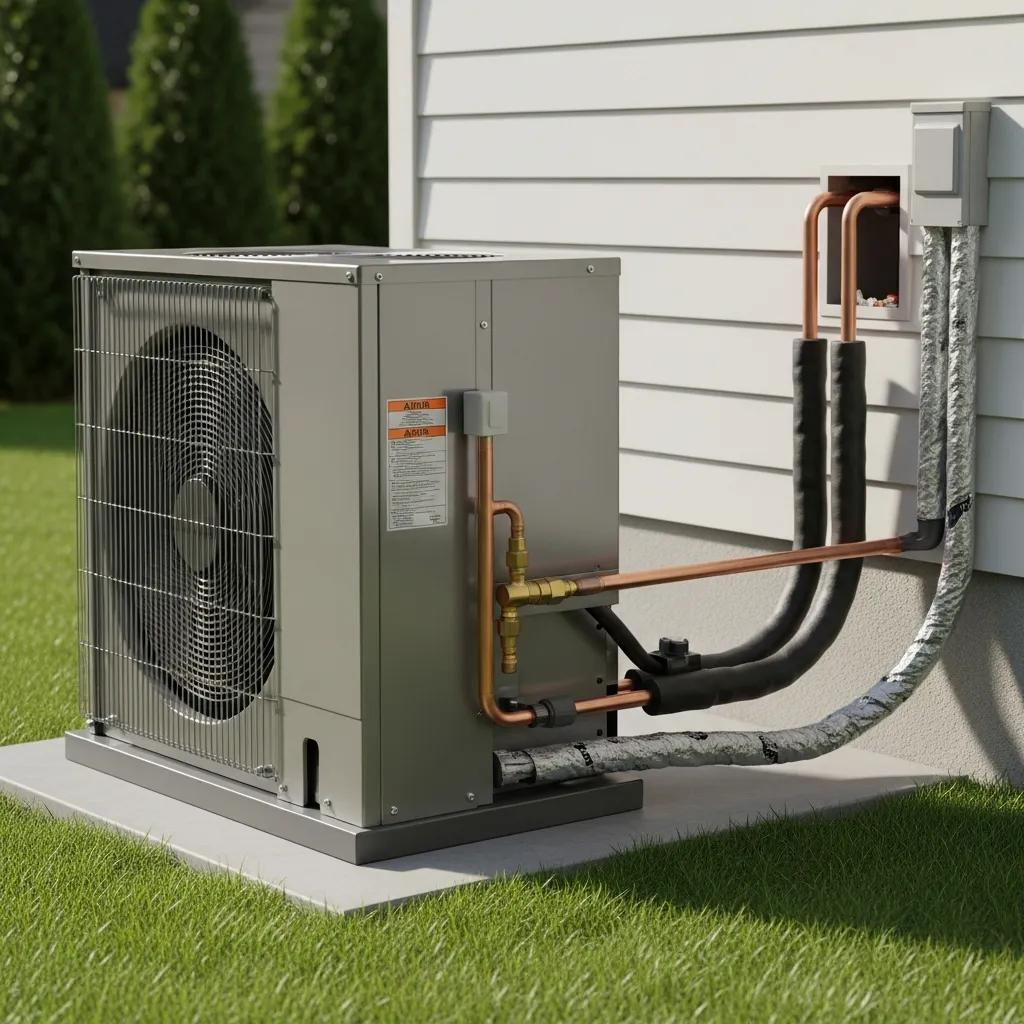
Heat Pump Compressor Repair: Signs, Costs, and Practical Fixes for Better HVAC Performance
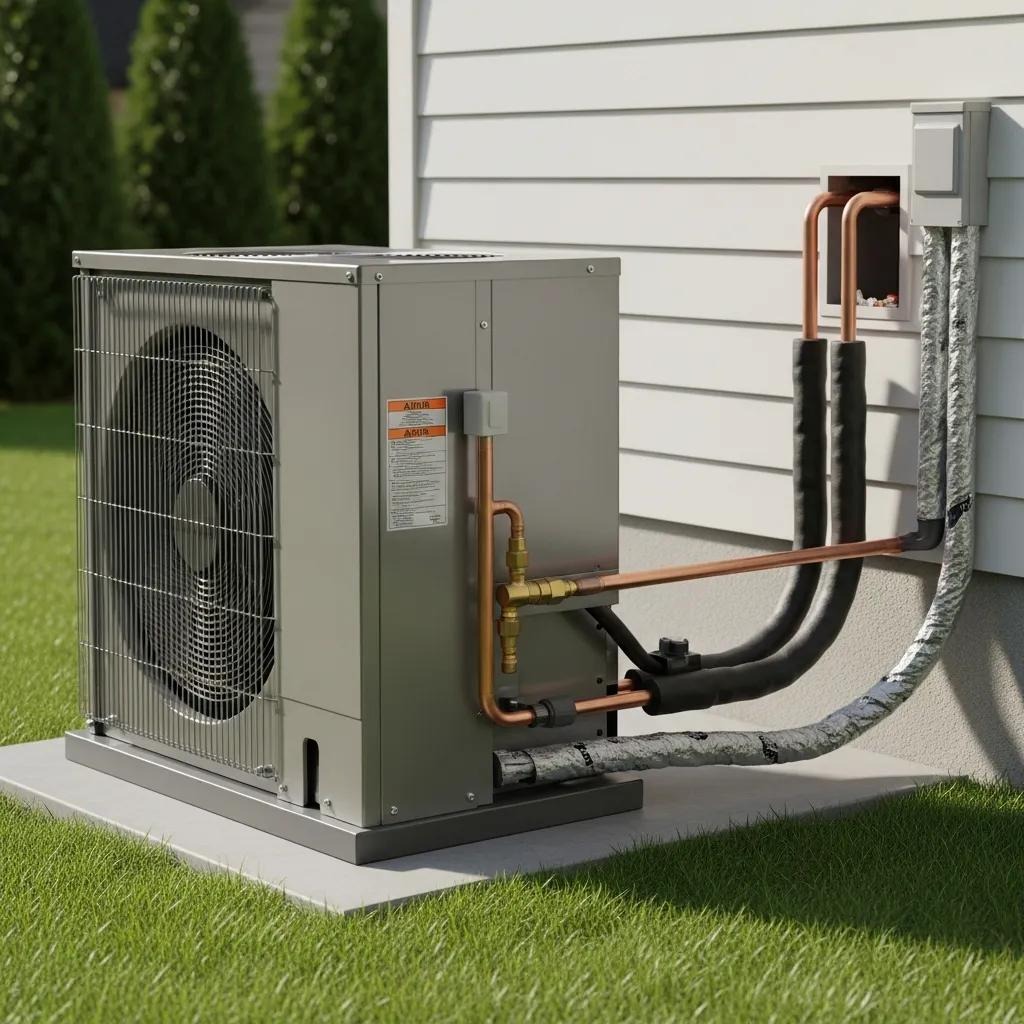
The compressor is the heart of your heat pump — it moves refrigerant and makes your system heat or cool efficiently. Knowing how compressor problems show up, what troubleshooting to try, and when to repair versus replace can save you time and money. This guide walks through common failure signs, practical diagnostics, typical costs, and maintenance tips so you can make confident decisions about your home or business HVAC system.
Compressors come in several designs (reciprocating, scroll, rotary, and variable-speed inverter styles are common in residential and light commercial systems). Each design has slightly different failure modes and noise signatures, but the operational goal is the same: compress refrigerant so the system can transfer heat. Understanding the basic function and the most vulnerable points — electrical connections, start/run components, and mechanical seals — helps you interpret symptoms and talk with a technician more effectively.
What Are the Common Symptoms of Heat Pump Compressor Failure?
Spotting compressor trouble early helps avoid bigger repairs. Look for odd noises, weak or uneven heating and cooling, and the unit turning on and off more often than usual. Catching these warning signs quickly keeps your system running better and cuts energy waste.
How to Identify Heat Pump Compressor Noise and Other Warning Signs
Compressors give off several telltale sounds and behaviors when something’s wrong. A steady hissing can point to a refrigerant leak. Loud clanks or bangs often mean loose or failing internal parts. If the compressor runs constantly but the house never reaches the set temperature, that’s another red flag. Noticing these issues early prevents more extensive damage and higher repair bills.
To help separate likely causes: intermittent ticking or tapping often indicates debris or a loose panel or component, while a grinding or metallic screech usually signals internal mechanical wear and needs immediate attention. A soft buzzing that stops and starts with the thermostat may indicate an electrical or control issue rather than a mechanical failure. Making a short note of the sound, when it occurs (start-up, continuous run, or shutdown), and any external conditions (very hot or cold weather) is useful information to record before a service visit.
Catching refrigerant leaks early protects performance, safety, and the environment.
What Causes Heat Pump Not Working Issues Related to Compressor Problems?
Compressor-related failures usually stem from a few common sources: electrical faults, refrigerant leaks, or mechanical wear. Faulty wiring, a bad capacitor, or tripped breakers can keep the compressor from starting. Low refrigerant levels reduce cooling and heating capacity. Mechanical breakdowns often happen over time or from skipped maintenance. Knowing these causes helps you troubleshoot and explain the issue to a technician.
Electrical problems often present as a unit that hums but won’t start, repeated tripping of breakers, or failure to respond to the thermostat. Capacitor failure typically shows as a slow or failed startup with a humming sound, while worn bearings or a failing motor will create consistent rough or metallic noises during operation. Refrigerant leaks may also leave oily residue near service ports or connections and often coincide with reduced airflow or frosting on coils. Observing these patterns narrows possible causes before any professional inspection.
How Does Heat Pump Compressor Troubleshooting Help Diagnose Problems?
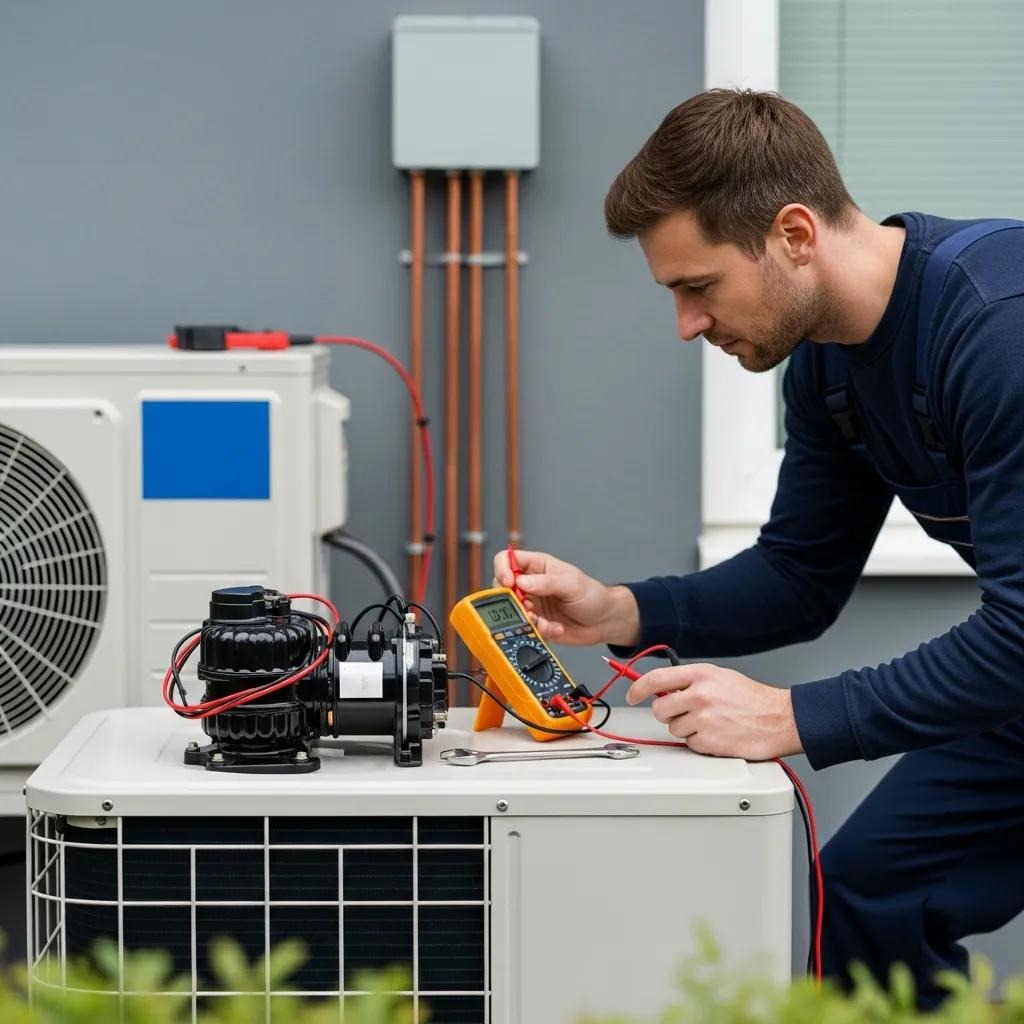
A methodical troubleshooting routine narrows down the cause so you can choose the right fix. Some checks are safe for homeowners to run; others need a licensed technician. Starting with basic checks can speed up diagnosis and reduce unnecessary service time.
What Are the Steps for Effective Compressor Troubleshooting?
- Check Power Supply: Confirm the unit has power and circuit breakers or fuses aren’t tripped. Many compressor “failures” are just electrical interruptions and can be fixed quickly. Also verify any disconnect switch near the outdoor unit is in the ON position and that loose wiring at the service terminal isn’t visible (do not touch wiring unless you are qualified).
- Inspect Thermostat Settings: Make sure the thermostat mode and target temperature are correct and the batteries (if any) are fresh. Simple thermostat issues can mimic compressor problems. If the thermostat has advanced controls, check for a delay or compressor lockout setting that can prevent immediate restart after a recent shutdown.
- Examine Air Filters: Dirty or blocked filters cut airflow, forcing the compressor to work harder and raising the risk of overheating. Replace or clean filters on a regular schedule. Also check supply and return vents for obstructions and confirm that outside unit fins are free of leaves and heavy debris.
- Listen for Unusual Noises: Note any rattles, clanks, hissing, or grinding. These sounds help technicians identify whether the issue is electrical, mechanical, or a refrigerant leak. If possible, record a short audio clip to share with your technician; it can be very helpful in pinpointing the problem before they arrive.
- Check Refrigerant Levels: Low refrigerant reduces system performance and usually indicates a leak. Identifying leaks and recharging refrigerant should be handled by a professional. Avoid running the system excessively if you suspect a leak; low refrigerant can damage the compressor over time.
Working through these steps makes it easier to describe the problem to your service provider and can reduce diagnostic time and cost. Before the technician arrives, gather basic information such as the unit model, age, and any recent service history; this context can shorten inspection time and lead to quicker, more accurate recommendations.
When Should You Call a Professional HVAC Technician for Compressor Issues?
Try basic checks first, but call a pro if you hear loud or unusual noises, spot oil or refrigerant on or around the unit, or if the system still won’t operate after simple troubleshooting. For safety and compliance, complex repairs and refrigerant work should always be performed by a qualified technician — contact a qualified HVAC technician when in doubt.
Other reasons to call include repeated tripping of electrical breakers, visible smoke or burning smells (power off the system and call immediately), and when your system is under warranty and you want repairs documented. Have basic information ready for the technician: symptoms, how long they’ve been happening, recent weather events, and any prior repairs. This helps the technician prioritize likely causes and prepare parts, which can reduce return visits.
Should You Repair or Replace Your Heat Pump Compressor?
Choosing repair or replacement depends on the unit’s age, the scope of the damage, and cost. Sometimes a repair is the right short-term fix; other times an upgrade saves money over the long run. Evaluate the trade-offs before deciding.
What Factors Influence the Decision Between Compressor Repair and Replacement?
Consider these key factors when deciding:
- Age of the Unit: If your heat pump is near or past its expected lifespan (often 10–15 years), replacement can be more economical because newer units are more reliable and efficient. Older systems are also more likely to require additional component upgrades when major parts fail.
- Repair Costs: Get an itemized repair estimate. If repairs cost close to or more than a significant portion of the price of a new compressor or system, replacement is usually the smarter choice. Also consider the likelihood of another failure in the near term and whether warranties or part guarantees apply.
- Energy Efficiency: Newer compressors and heat pumps often use less energy, lowering utility bills and potentially qualifying for rebates or incentives. Improved efficiency can offset some of the upfront cost of replacement over time when compared to ongoing repair bills and higher energy use.
Weighing these factors helps you pick the option that fits your budget and long-term needs.
Also factor in non-monetary considerations: a replacement can improve comfort and control, reduce noise, and add new features like smart diagnostics or zoning support. If downtime or the reliability of heating and cooling is critical for occupants, replacement may provide peace of mind that repeated repairs cannot.
How Do Advances in Compressor Technology Affect Repair Choices?
Modern compressors often use variable-speed or inverter technology and built-in diagnostics, which improve comfort and reduce running costs. When weighing repair versus replace, consider whether an upgraded unit’s efficiency and features justify the investment over repairing older equipment.
Built-in diagnostics and connectivity can make future troubleshooting faster and less expensive, since many issues will reveal fault codes or operational history. However, these advanced features can also increase the cost of individual replacements and may require technicians with newer training and tools.
What Is the Typical Heat Pump Compressor Repair Cost and Replacement Cost Breakdown?
Costs vary widely depending on the problem and the equipment. Repairs for specific parts or leaks are usually less expensive than a full compressor or system replacement, but labor, refrigerant type, and unit complexity can raise the price.
Which Factors Affect Heat Pump Compressor Replacement Cost?
Because these factors change the final price, we recommend getting multiple quotes from licensed technicians before deciding.
When comparing quotes, ask each contractor for a breakdown that separates parts, labor, refrigerant, and any additional system modifications like new mounting hardware or electrical upgrades. Also verify whether diagnostic time and travel charges are included. Understanding the itemized bill helps you compare apples to apples rather than low initial estimates that rise after technicians identify additional necessary work.
How to Compare Repair Costs Versus Replacement Expenses?
Make a simple cost-benefit comparison that includes upfront costs and long-term savings:
- Estimated Repair Costs: Collect detailed quotes for parts and labor so you know exactly what’s being fixed.
- Replacement Costs: Get estimates for a new compressor or system, including installation and any needed upgrades.
- Long-Term Savings: Factor in energy savings from a more efficient unit and any extended warranties or incentives.
Comparing these elements helps you choose the option that fits your budget and comfort goals.
Also consider non-financial benefits: a new system typically provides better temperature control, quieter operation, and modern safety and diagnostic features. If downtime is disruptive or the property has occupants with special heating needs, those benefits can shift the balance toward replacement even when repair appears cheaper on paper.
How Does Proper Heat Pump Compressor Maintenance Improve Energy Efficiency?
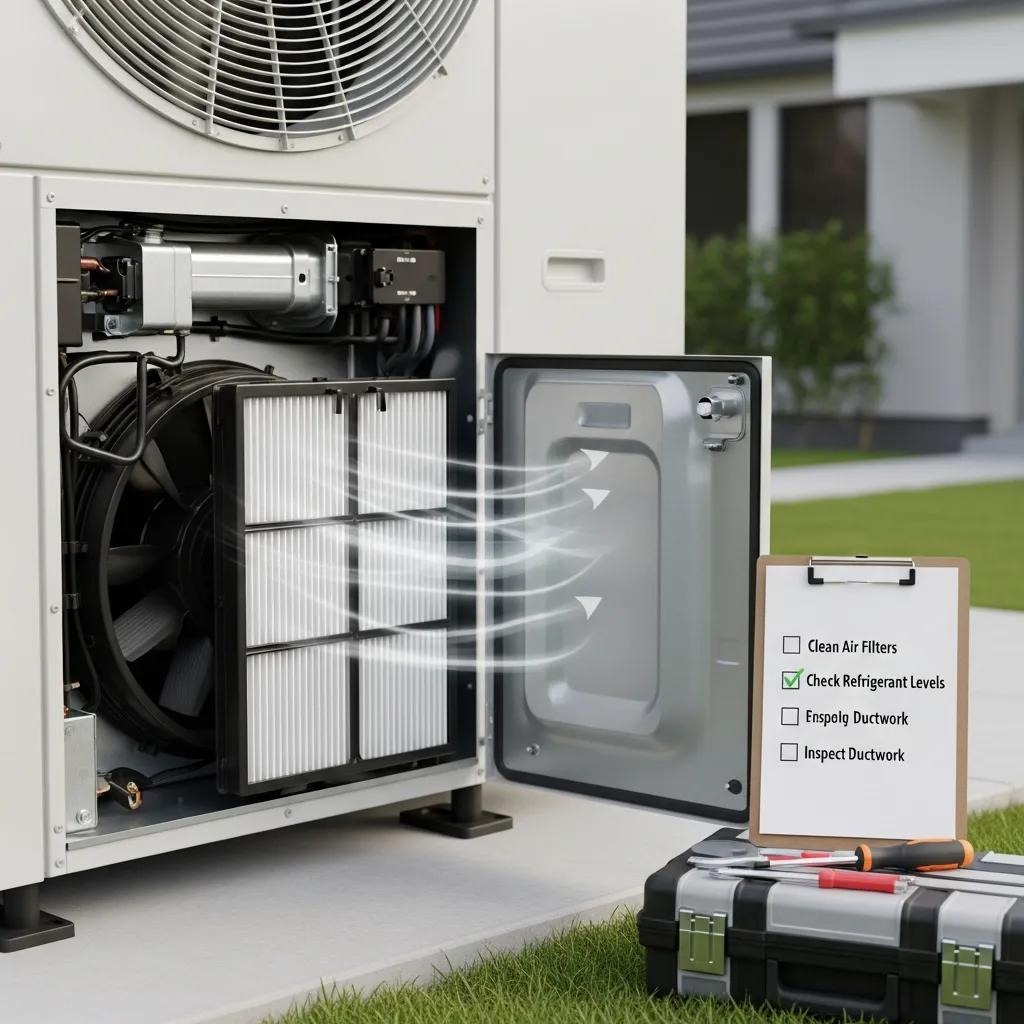
Regular maintenance keeps your compressor running efficiently, reduces breakdown risk, and extends equipment life. Simple seasonal checks and professional tune-ups prevent small issues from growing into costly repairs.
Maintenance also helps maintain refrigerant charge and system balance, which are essential for efficient operation. Small issues like restricted airflow or a drifting thermostat can cause the compressor to run longer and wear faster, so addressing these items during routine service preserves efficiency.
What Are the Energy Efficiency Benefits of Timely Compressor Repair?
Fixing problems like leaks or electrical faults restores full system performance and lowers energy use. Routine maintenance — cleaning coils, replacing filters, and checking refrigerant — keeps the system balanced and efficient, which reduces monthly utility bills.
Timely repairs prevent secondary damage. For example, running a system with low refrigerant or restricted airflow can cause the compressor to overheat and fail prematurely. Correcting small problems before they escalate preserves the compressor’s effective life and avoids the larger expense of a full replacement.
How Do 2026 Energy Efficiency Standards Impact Heat Pump Compressor Services?
Efficiency standards have been rising. The U.S. Department of Energy implemented higher minimum requirements for residential heat pumps starting January 1, 2023, and further updates through 2026 raise expectations for SEER and HSPF ratings. As a result, manufacturers are improving designs and technicians must follow updated practices to ensure compliance and optimal performance. Stay informed so any replacement or major repair meets current standards.
For homeowners, this means newer replacement units will generally be more efficient but may also require updated installation practices, such as correct airflow management and precise refrigerant handling. When replacing a compressor or a full system, confirm that the work meets any local codes and manufacturer specifications to preserve warranties and ensure long-term performance.
How to Schedule Professional Heat Pump Compressor Repair Services in Wenatchee WA?
Booking professional service is straightforward and helps you fix issues before they worsen. Knowing where to look and what to expect makes the process smoother.
What Makes Central Air Solutions a Trusted Heat Pump Repair Provider?
Central Air Solutions is a locally focused team with experienced technicians who diagnose compressor problems and recommend practical, long-lasting solutions. We prioritize clear estimates, timely service, and keeping your system running safely and efficiently.
When selecting a service provider, look for licensed technicians who show proof of refrigerant-handling certification and liability insurance, and who will provide a written estimate and service report. Ask about guarantees on parts and labor and whether they provide follow-up checks after major repairs or replacements.
How to Contact and Book Expert Heat Pump Compressor Repair Services?
To schedule service with Central Air Solutions, visit their contact page or call the number listed on the site. They offer convenient booking options and will help you set a prompt appointment to avoid further damage.
Before the appointment, prepare any serial numbers, model information, and a short description of symptoms. If you have a service history or invoices, have these available; they can help the technician identify patterns or recurring issues more quickly during the visit.
What Are the Latest Advances and Industry Insights in Heat Pump Compressor Repair?
Keeping up with new technologies and regulations helps homeowners and technicians improve reliability and efficiency. Advances in components and diagnostic tools are making repairs faster and systems more durable.
How Do New Compressor Technologies Improve Reliability and Serviceability?
Newer compressors include features like smart diagnostics, variable-speed motors, and stronger materials that reduce wear. These improvements lead to fewer failures, more consistent temperatures, and easier troubleshooting for technicians.
Smart diagnostics can log operating history and produce fault codes that shorten diagnostic time. Variable-speed technology reduces start-stop cycling and can extend component life when properly installed and maintained. For homeowners, these features translate into quieter operation and more stable temperature control.
What Are the Emerging Trends in Heat Pump Repair and Energy Regulations?
Trends include a stronger focus on sustainability, higher-efficiency equipment, and stricter energy regulations. Technicians are adopting new best practices to comply with standards and to help homeowners cut energy costs. Upgrading older systems can provide better performance and lower operating expenses over time.
Technicians are also using more targeted preventive maintenance and remote monitoring to detect anomalies before they become failures. These approaches reduce emergency repairs and can extend equipment life by addressing small issues early.
To keep your system running at peak efficiency, consider scheduling a tune-up.
What Are Frequently Asked Questions About Heat Pump Compressor Repair?
Here are answers to common homeowner questions to help you recognize issues and decide on next steps.
How Do I Know If My Heat Pump Compressor Is Bad?
Typical signs include strange noises, uneven or weak heating and cooling, and frequent on/off cycling. If you notice these symptoms, arrange for an inspection so a technician can diagnose the root cause and recommend a fix.
Other indicators of a failing compressor include a sudden rise in energy bills without a change in usage patterns, frequent activation of safety devices, or visible oil and residue at refrigerant connections. If the compressor is not starting but other system components are functioning, that also points to compressor or electrical start components.
Can a Heat Pump Compressor Be Repaired or Should It Be Replaced?
The choice depends on the unit’s age, the damage’s extent, and the costs involved. A professional can assess whether a targeted repair will restore reliable performance or if replacement is the more cost-effective long-term solution.
In some cases, replacing individual electrical components, a start capacitor, or valves can return the compressor to reliable service. In other cases where the motor windings or piston/scroll surfaces are damaged, a full compressor replacement or system replacement is required. Always weigh the expected remaining lifespan after repair against the cost of replacement. If you need a full system replacement, review heat pump replacement options.
Get Expert Heat Pump Compressor Repair Today
Don’t let compressor issues disrupt your comfort. Contact Central Air Solutions for reliable diagnostics, transparent estimates, and professional repairs that keep your heat pump running efficiently. Schedule your service now to protect your investment and enjoy consistent heating and cooling year-round.