Top Tips for HVAC Energy Efficiency
Maximize your home comfort with our HVAC energy efficiency tips. Learn practical strategies to reduce costs and improve your indoor air quality today!

Scroll down to discover more
Practical HVAC Energy Tips to Lower Your Home Bills
Saving energy at home is simple when you focus on your HVAC system — it commonly accounts for a large share of household energy use (often around 40–50%). Small changes and the right upgrades can cut costs and keep your home comfortable. Below we share straightforward, practical tips for improving HVAC efficiency, explain why routine care matters, and show how upgrading your system can pay off. We also cover how smart controls and proper insulation help your system run smarter, not harder.
Which HVAC Steps Save the Most Energy?
Improving HVAC efficiency comes down to a few high-impact actions you can take today. Here are the most effective moves:
- Regular Maintenance : Book routine tune-ups to keep your system running smoothly. Preventive service finds small problems before they get expensive and helps equipment operate more efficiently over its lifetime.
- Air Filter Replacement : Swap filters on schedule to preserve airflow. Dirty filters restrict airflow, forcing systems to work harder, which raises energy use and accelerates wear.
- Thermostat Settings : Small thermostat shifts save energy. Try setting the thermostat a few degrees higher in summer and a few degrees lower in winter — you’ll notice savings without sacrificing comfort.
How Does Regular HVAC Maintenance Boost Efficiency?
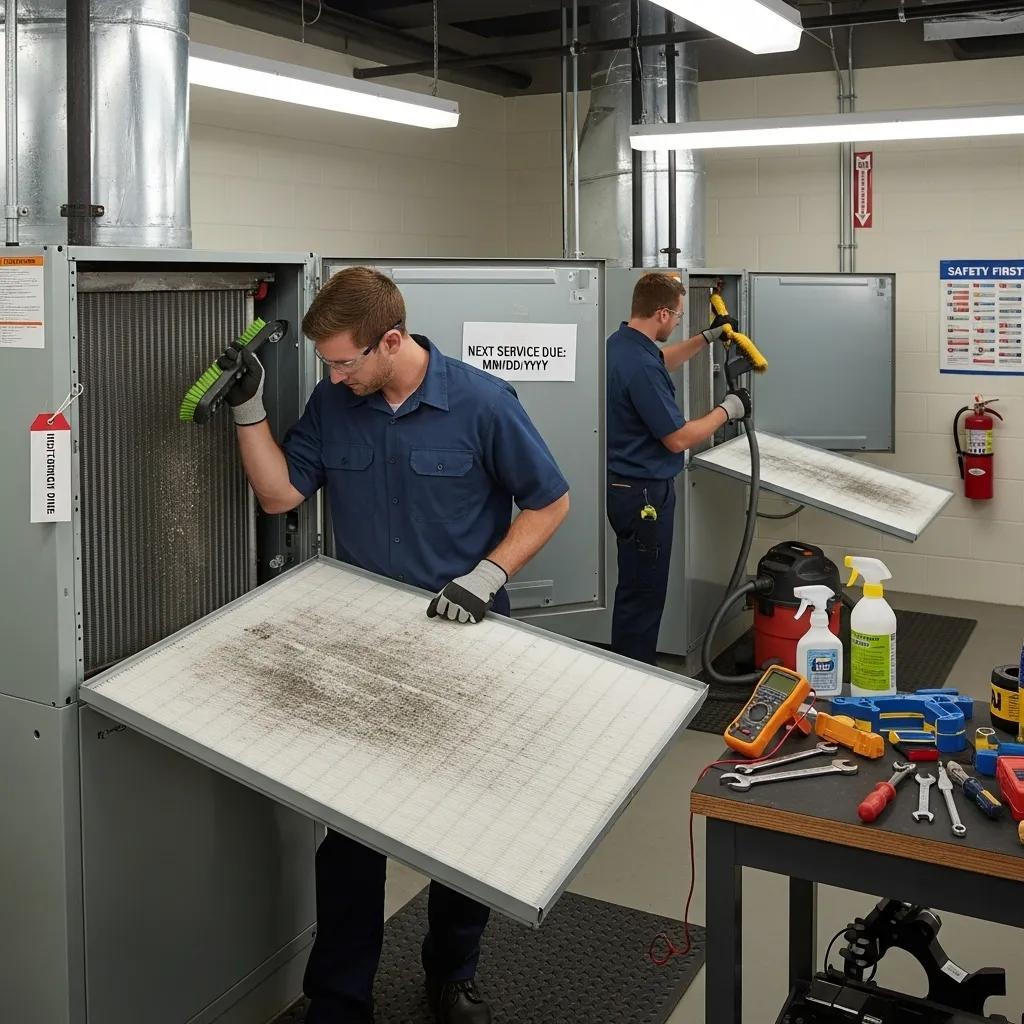
Regular service — cleaning coils, checking refrigerant, inspecting ducts and components — keeps your system at peak performance. That means fewer surprises, lower energy use, and reduced risk of costly repairs down the road. Over time, consistent maintenance also helps equipment last longer, saving money in the long run.
Beyond typical systems, some options like geothermal HVAC are known for lower ongoing maintenance needs, which can add up to savings over many years.
Why Is Replacing Air Filters So Important?
Replacing air filters is one of the easiest, highest-value actions to keep your HVAC system efficient. When filters clog, airflow drops and the system must work harder to reach the set temperature. That extra effort increases energy use and can wear out parts sooner. Research shows routine filter changes can improve efficiency by roughly 1–15%, so it’s an inexpensive habit with clear benefit.
Can Upgrading Your Heating or Cooling System Save Money?
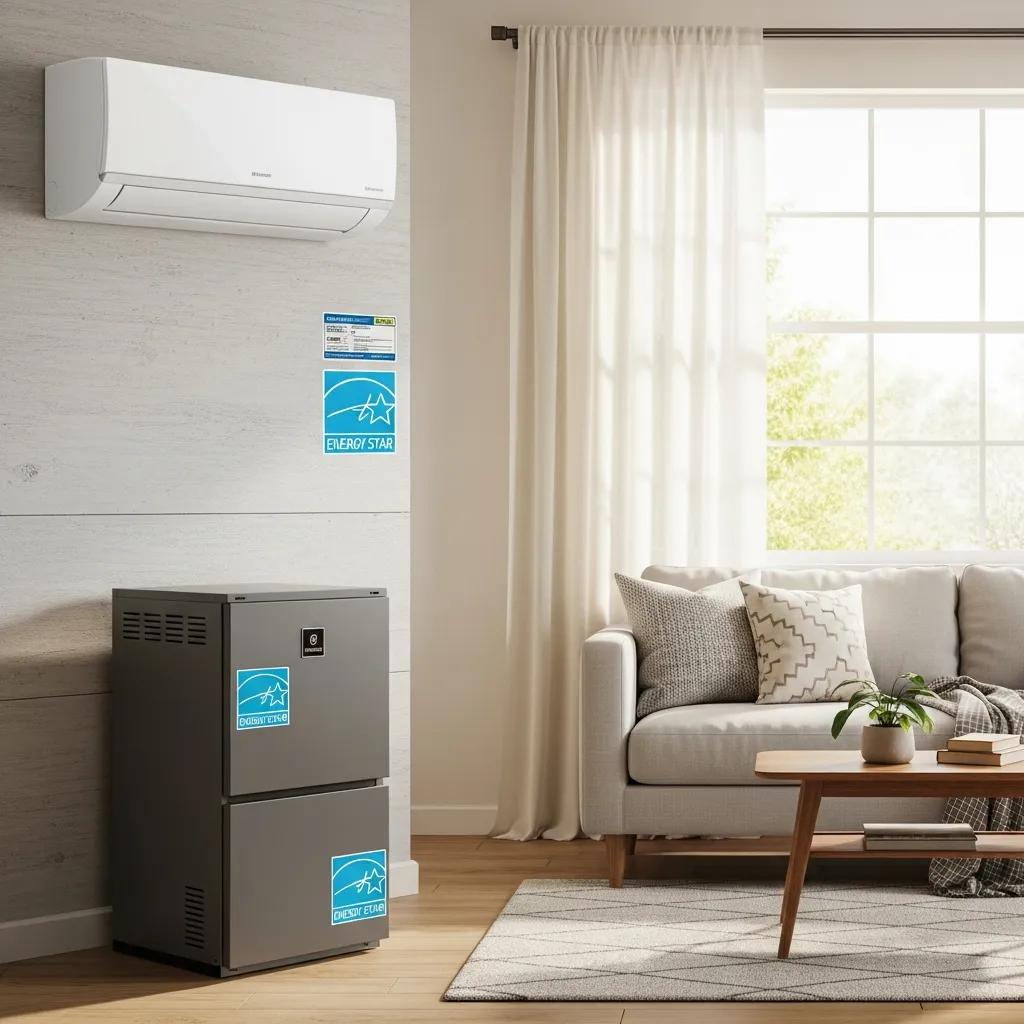
Yes. Modern, energy-efficient furnaces, heat pumps, and air conditioners use less energy to deliver the same comfort, so replacing older equipment can produce noticeable monthly savings. Many utility companies and government programs also offer incentives for upgrading that help offset installation costs.
- Lower Energy Bills : Newer systems use less power, which typically reduces monthly costs and your carbon footprint. This efficiency comes from advanced technology and better design, leading to significant savings over the lifespan of the unit.
- Incentives and Rebates : Utility and government programs can lower out‑of‑pocket costs when you choose high-efficiency equipment. These financial incentives make upgrading more affordable and encourage homeowners to invest in sustainable solutions.
- Improved Comfort : Modern systems often control temperature and humidity better, keeping your home more comfortable year-round. Features like variable-speed blowers and multi-stage compressors provide more consistent temperatures and reduce drafts.
When Is It Time to Install or Replace a Heat Pump?
Consider a heat pump replacement when your system is 10–15 years old or needs frequent repairs. Warning signs include uneven heating or cooling, steadily rising bills, and strange noises. A modern heat pump can cut energy use and improve comfort—especially in milder climates where they’re most efficient.
What Benefits Do High-Efficiency Furnaces and AC Units Offer?
High-efficiency furnaces and ACs typically convert more fuel or electricity into usable heat or cooling (for example, many high‑efficiency furnaces have AFUE ratings of 90% or higher). That higher efficiency reduces energy costs and environmental impact. Advanced features like variable-speed motors and smart-thermostat compatibility can further improve performance and comfort.
How Do Smart Thermostats Help Save Energy?
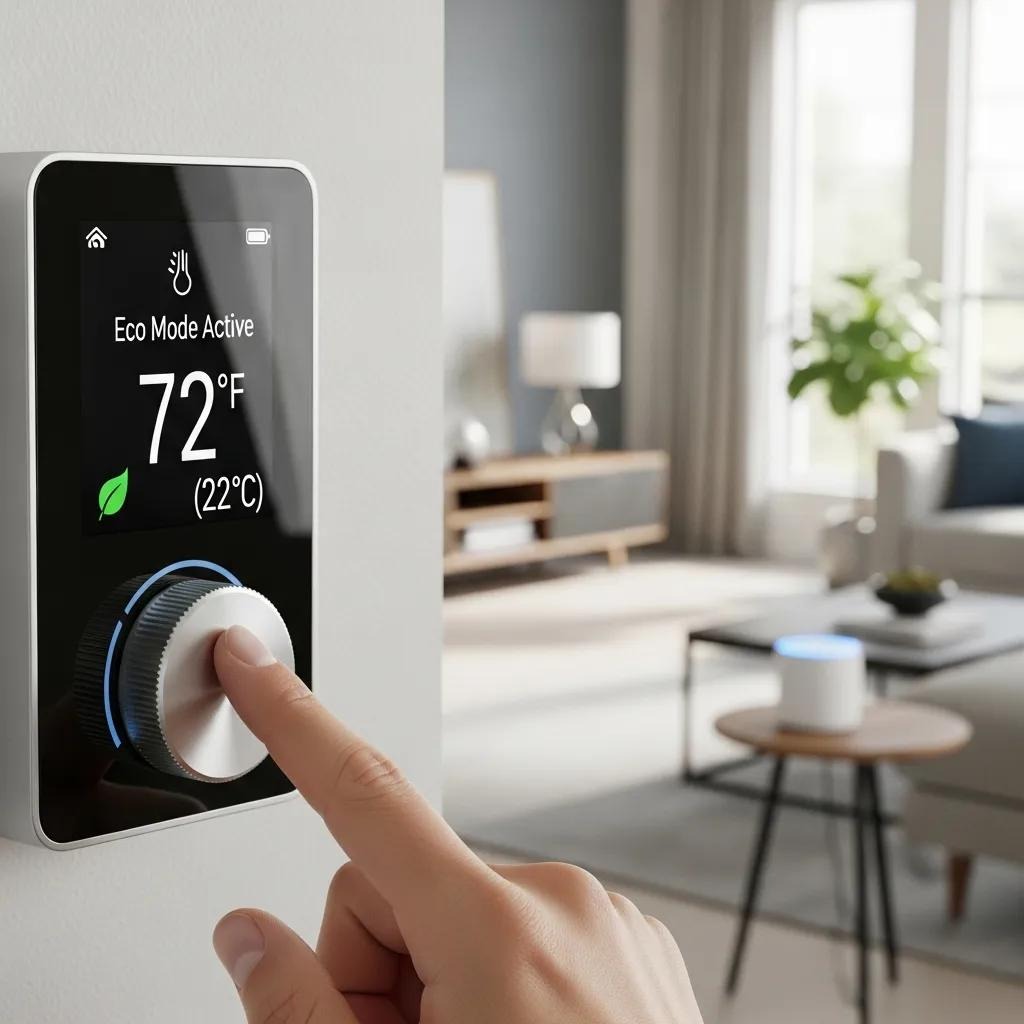
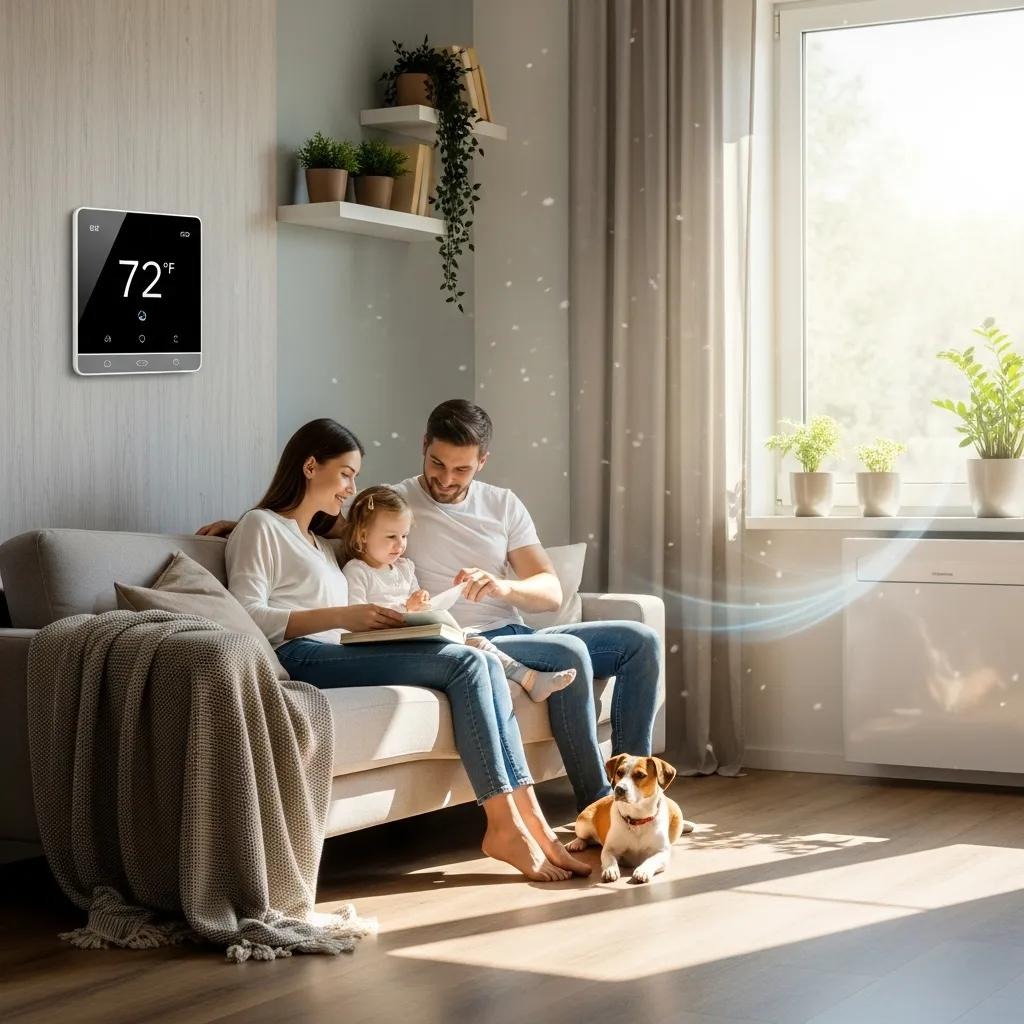
Smart thermostats make it easier to run your HVAC system efficiently. They let you control temperature remotely and create schedules so the system isn’t running full blast when you’re away. Used properly, they reduce wasted heating and cooling and can lower bills.
Which Programmable Features Save the Most Energy?
Scheduling is the most direct energy saver — set back the temperature at night or while you’re out to reduce runtime. Some smart thermostats also learn your routine and make automatic adjustments, so you get savings without extra effort.
That said, many owners don’t use these features fully or misunderstand how they work, which limits savings potential.
How Does Remote Climate Control Cut Utility Costs?
Remote control lets you check and change settings from anywhere. That means you can avoid heating or cooling an empty house and bring the temperature back before you arrive. In many cases, this flexibility leads to measurable bill reductions, especially during extreme weather.
Why Are Sealing and Insulation Important for HVAC Efficiency?
Good sealing and insulation reduce the workload on your HVAC system by keeping conditioned air where you want it. Proper insulation holds heat in during winter and keeps it out in summer. Sealing gaps and leaks — especially in ducts — prevents treated air from escaping and improves system efficiency.
How Does Professional Duct Sealing Save Energy?
Professional duct sealing addresses leaks where ducts connect to registers, plenums, and branches. Leaky ductwork can account for roughly 20–30% of HVAC energy loss, so sealing those gaps ensures more of your heated or cooled air reaches the rooms that need it. That improves comfort and lowers energy bills.
Still, researchers note that some seal methods can degrade over time, so long-term effectiveness varies and periodic checks are a good idea.
Why Does Proper Insulation Matter for HVAC Performance?
Proper insulation keeps indoor temperatures steady, reducing how often your HVAC system must run. By lowering the demand for heating or cooling, insulation improves comfort and delivers consistent energy savings over time.
This table summarizes key strategies and how each one helps your HVAC system use less energy.
Put these tips into practice and consider targeted upgrades to make a real dent in your energy bills. For tailored advice and professional support, Central Air Solutions is ready to help you find the right solutions for comfort and savings.
Conclusion
Boosting HVAC energy efficiency lowers bills and makes your home more comfortable. Start with regular maintenance, timely filter changes, and proper insulation — then evaluate upgrades like modern heat pumps or smart thermostats. If you want help deciding what’s best for your home, contact Central Air Solutions for personalized recommendations and expert service.